
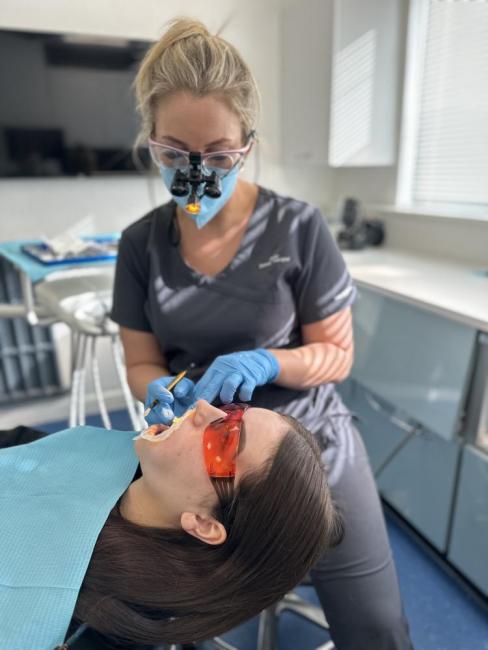
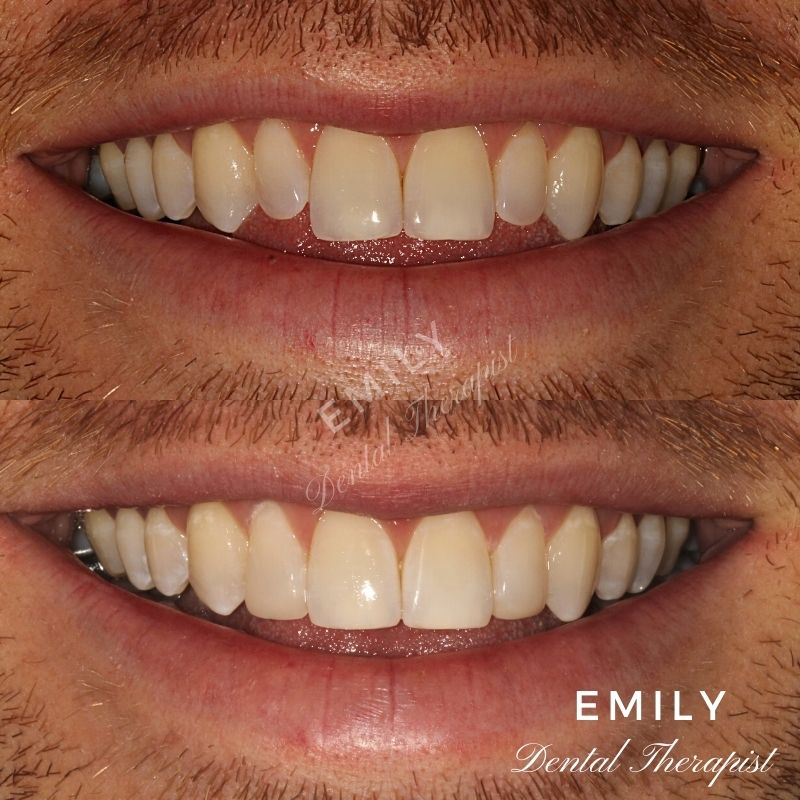
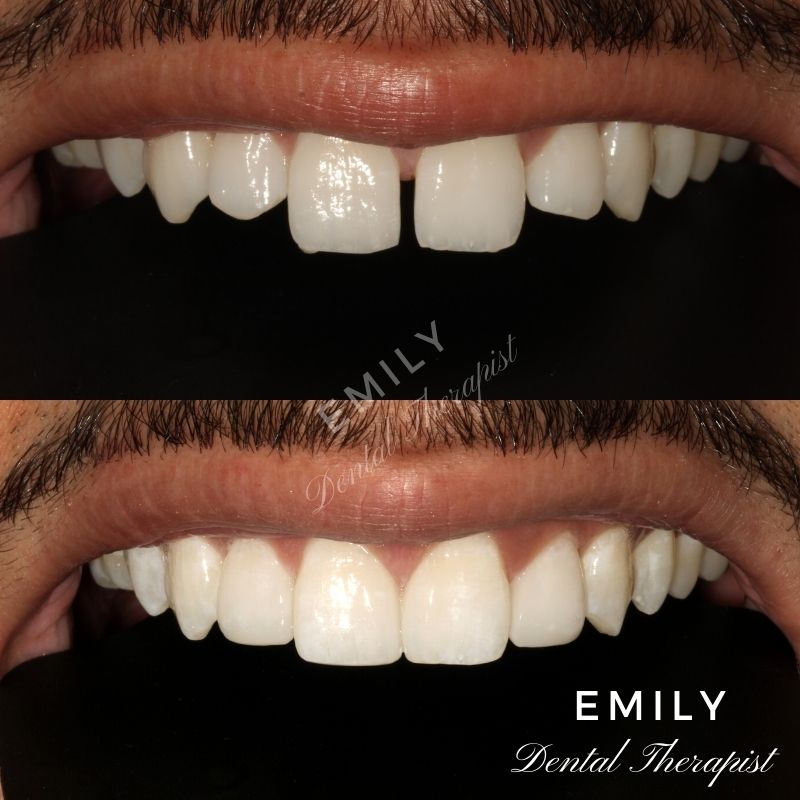
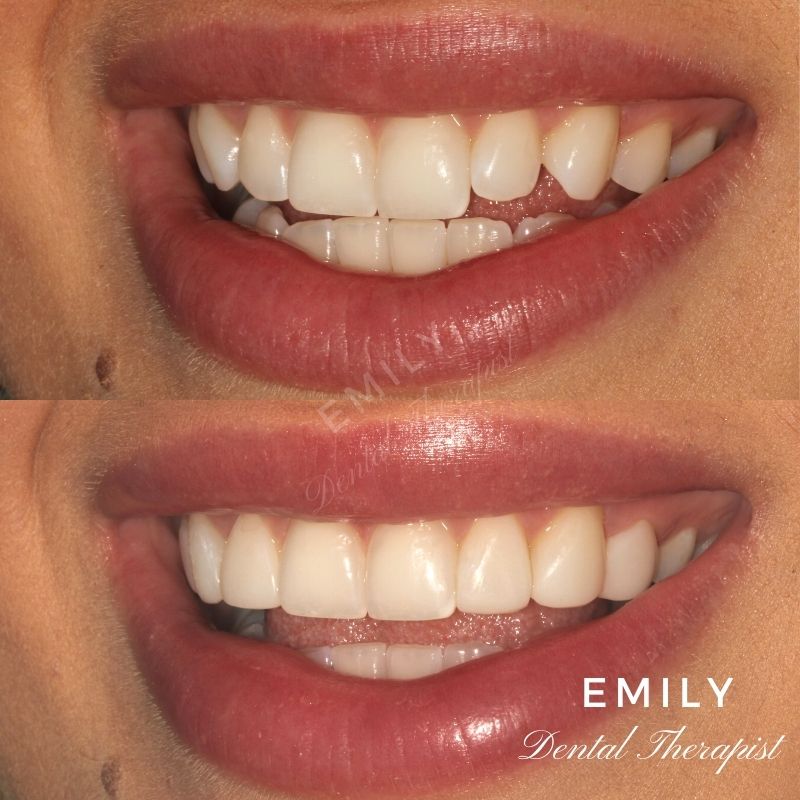
Composite bonding (also known as composite edge bonding) is a beautifully simple way to transform your smile. A high-quality, tooth-coloured resin is expertly sculpted and shade-matched to your natural teeth, subtly reshaping and enhancing one tooth or several — with results that look completely natural.
Bonding can be added to the edges or between teeth to close gaps, refine shape, and give you the smile you've always wanted.
For the best results, teeth need to be almost perfectly aligned before bonding. If your teeth are slightly out of line, composite veneers can help mask this instead.
Completely non-invasive
This treatment doesn't require any drilling, tooth preparation, or injections — meaning no pain and no anaesthetic. It's one of the gentlest ways to enhance your smile.
No Drilling · No Injections · No Pain
Perfect after orthodontics
Many patients choose composite bonding as the finishing touch after orthodontic treatment. While I don't personally provide treatments like Invisalign or other brace systems, I'm happy to recommend a trusted colleague if you'd like to explore these first.
Whitening first, bonding second
If you'd like whiter teeth, it's best to whiten before bonding — the composite is shade-matched to your teeth at the time of placement and won't lighten afterwards. Making sure you're happy with your shade beforehand is key to a result you'll love long-term.
Tailored entirely to you
Every smile is different, and so is every bonding treatment. Whether you love a soft, natural curve or a cleaner, flatter finish — or something in between — your composite bonding is designed around your personal preferences.
Built to last
With proper care, composite bonding typically lasts 3–5 years, and often longer with excellent maintenance.
Healthy foundations first
Great cosmetic results start with great oral health. Before cosmetic treatment begins, you may need a hygiene appointment (scale and polish) to ensure your teeth and gums are in optimal condition.
Excellent dental hygiene means brushing twice daily (ideally with an electric toothbrush and fluoride toothpaste) and cleaning between your teeth every day with floss or interdental brushes. Not sure where to start? Our hygienist will create a personalised routine just for you.
What is the difference between composite bonding and composite veneers?
Composite bonding is added around the edges or between teeth. Composite Veneers have full front of the tooth coverage.
Can I choose my shade of composite bonding?
Emily will go through shade options and guide you to the perfect shade match to your teeth. It is important to have a good match to ensure the bonding looks seamless to the tooth.
Will I need an injection?
No, composite bonding usually does not required any tooth preparation, so there for the procedure is pain free, without the use of dental injections.
Does composite bonding stain?
Composite bonding can stain over time if patients smoke and/or have a heavily coloured diet. Excellent oral hygiene and no smoking will highly reduce the risk of staining. Keeping up to date with regular hygienist visits can ensure your composite bonding looks fresh.
How long does composite bonding last?
On average 3-5 years. Composite bonding can last longer if excellent oral hygiene is carried out along with no smoking/ and a reduced staining diet.
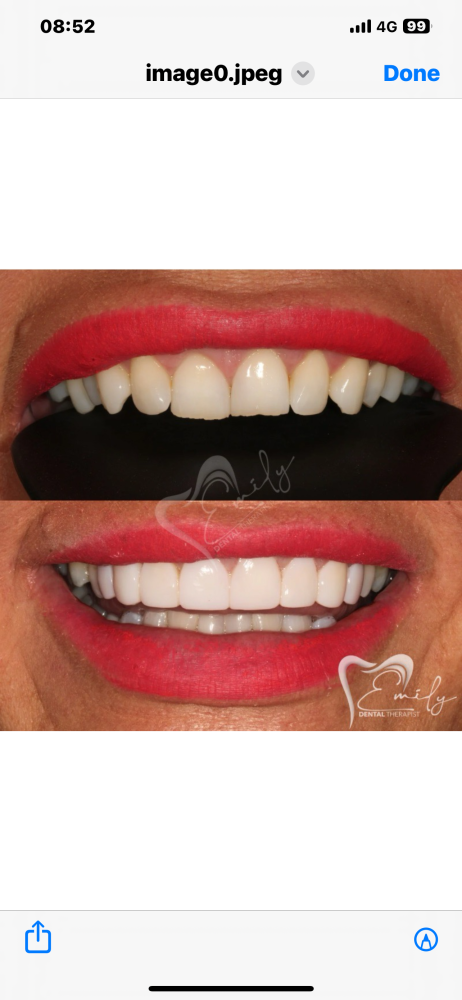

 We have so many more images so show you on our Instagram page. Lots of happy clients, showing off their new smiles...
 If you would like to take the next step with Emily Dental Therapist and see our price list, please click the link below to fill in our enquiry form, and we'll send it to you immediately...
 Do you have a few more questions? Would you like a little more help in deciding what is going to be best for you? Please click below to get in touch with me...